
Receive immediate online pricing for precision-mac...
Rapid online machining service for prototypes and ...
Cesar is a premier provider of precision CNC turni...
Achieve superior precision and produce intricate p...
Get high quality precision CNC machined parts. Tol...
Upload your design to get started and get an insta...
Precise laser cut parts for rapid prototyping and ...
We offer premium custom metal bending services for...
Solution
Transform your idea into a market-ready product—faster, smarter, effortlessly.
Transform your idea into a market-ready product—faster, smarter, effortlessly.
Transform your idea into a market-ready product—faster, smarter, effortlessly.
CNC Machining eBook
If you want to produce high-quality machined parts with a sleek appearance, it’s essential to consider some critical factors related to CNC machining.
Here, we’ve gathered some basic information and important considerations to help you achieve the desired results.
Advanced manufacturing process, rigorous quality a...
We’d love to hear from you. Whether you need suppo...
Contact Us
- No. 10, Lane 11, Old Village, Daka, Dalingshan Town, Dongguan, China 523820
- +86 13482668912
- info@csproto.com
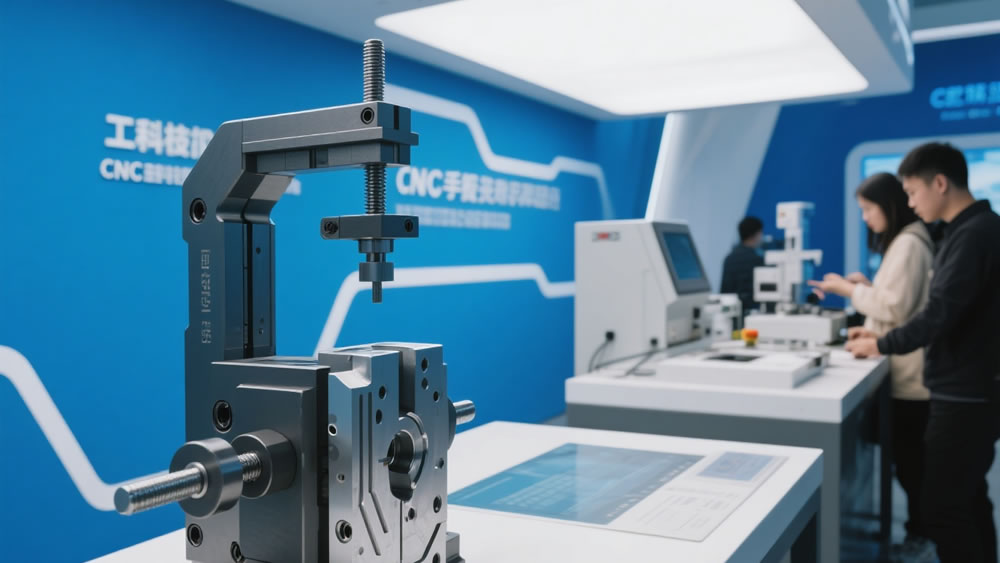
Get Instant quotes with our smart online platform.
Updated teamspace feature with membership rewards.

Custom Sheet Metal Bending Services
We offer premium custom metal bending services for both high-quality prototypes and production runs. Enjoy free sheet metal quotes and DFM (Design for Manufacturability) reviews within 1 business day. Our streamlined process ensures rapid turnaround, with delivery times as fast as 3–5 days.
Start A Metal Bending Quote
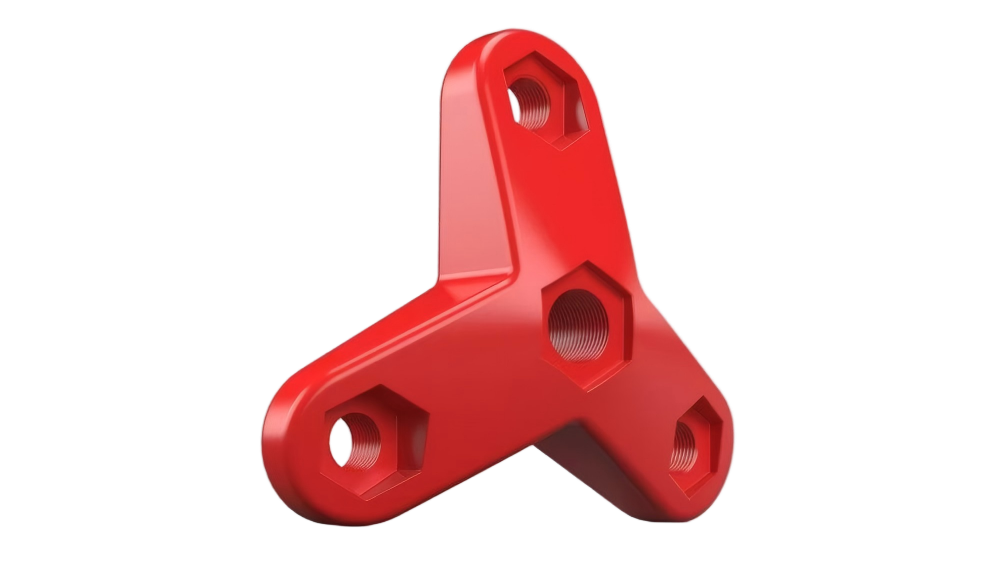
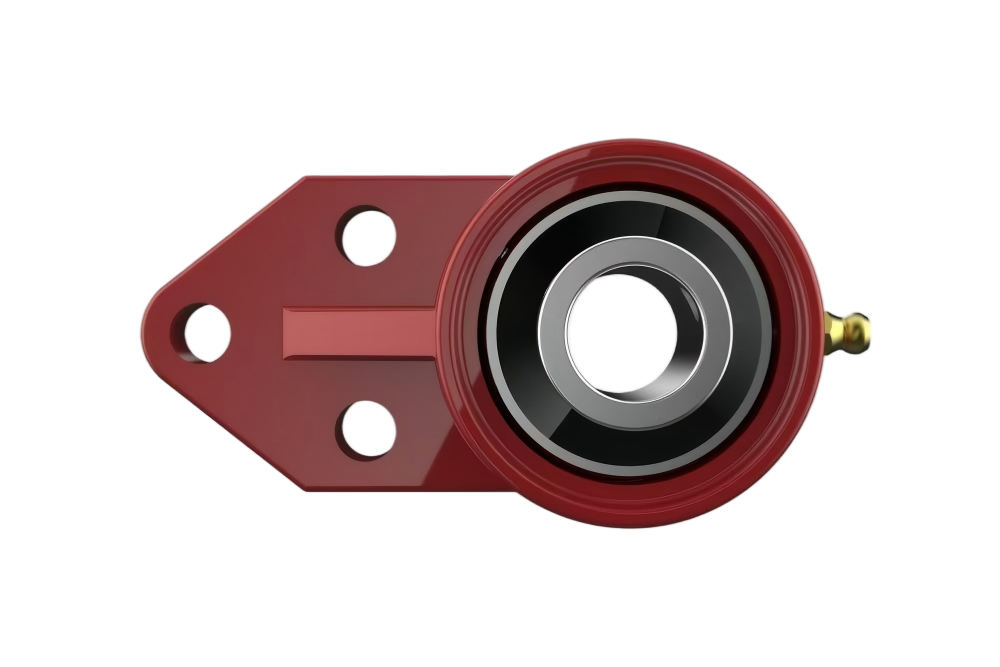
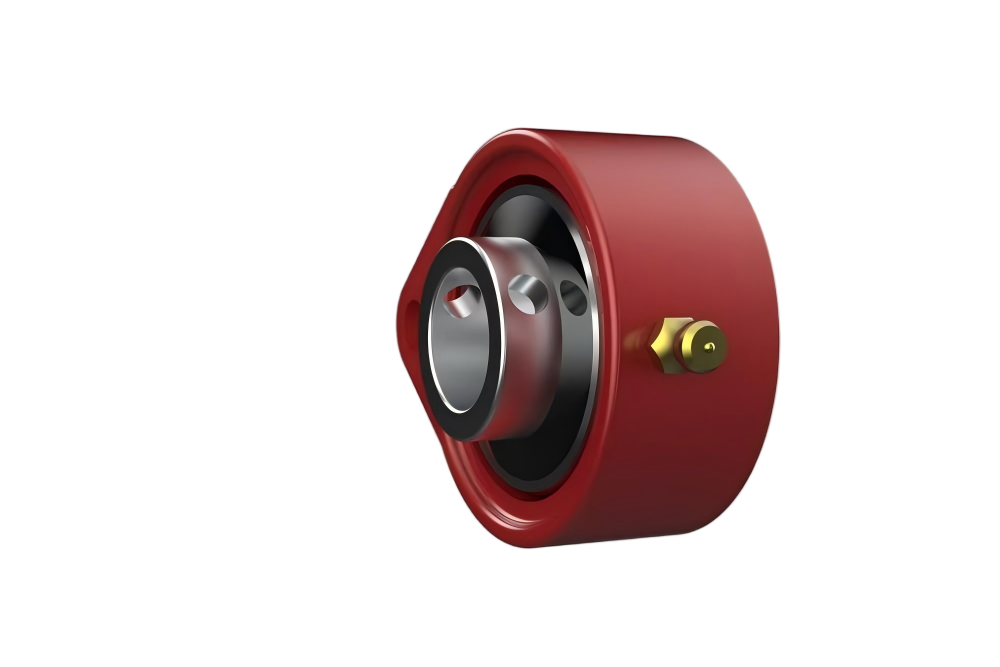
STEP | STP | SLDPRT | IPT | PRT | SAT files
All uploads are secure and confidential.
/01
Superior Quality
Parts
Parts

Our team of experienced engineers utilizes state-of-the-art metal bending technologies and rigorous quality control measures to ensure every bent component meets the most stringent standards.
/02
Rapid
Turnaround
Turnaround

Our advanced CNC bending equipment, combined with a streamlined workflow, enables us to deliver your custom bent parts in record time.
/03
Engineering
Support
Support

Our experts guide you in making the best choices for your project—from material selection to bending methodology—ensuring optimal results every time.
What is
Metal Bending?
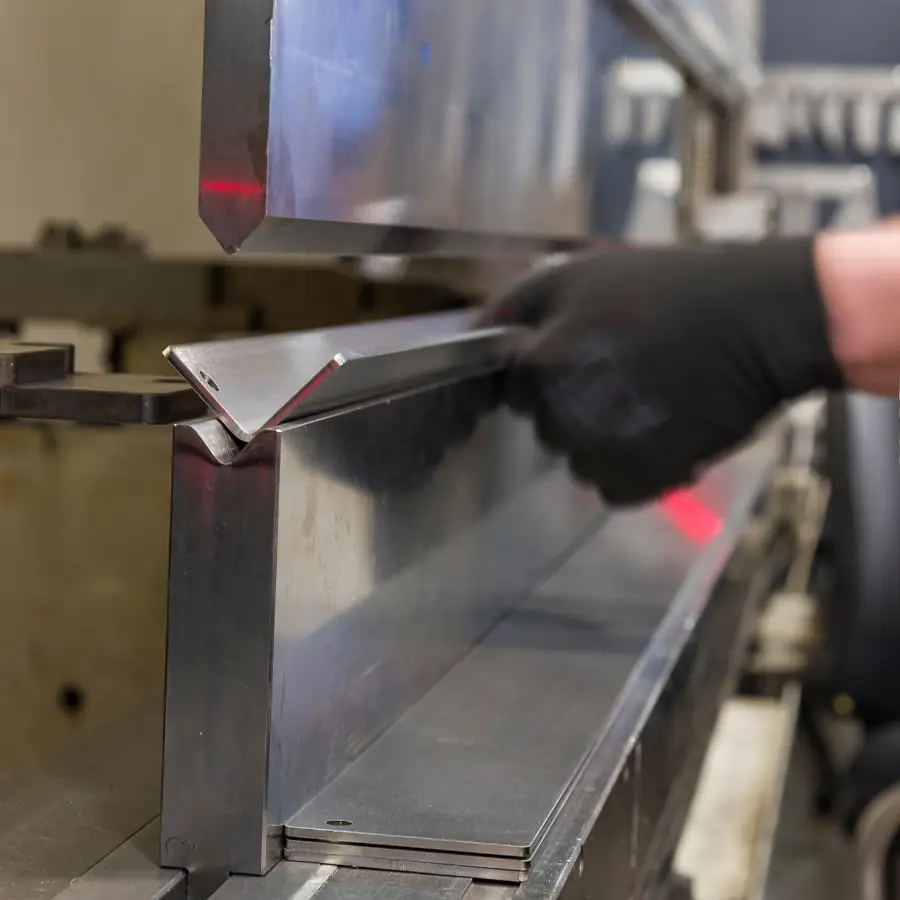
Metal bending transforms flat sheets into precise 3D shapes by applying controlled force through advanced machinery to achieve specific angles. Prior to bending, sheets are meticulously prepared using cutting methods like laser cutting to ensure high accuracy.
At CESAR, our process leverages high-tonnage equipment capable of exerting up to 200 tons of force, accommodating materials with lengths of up to 3200 mm. Each bend is executed with precision tooling ranging from R3 to R50, guaranteeing tight tolerances within ±0.1 mm. This precision sheet metal bending service is ideal for a wide range of applications, from mechanical components to custom furniture.
Furthermore, our customized metal bending solutions deliver exceptional accuracy and consistency tailored to your unique project requirements.
How is Metal Bending Performed?
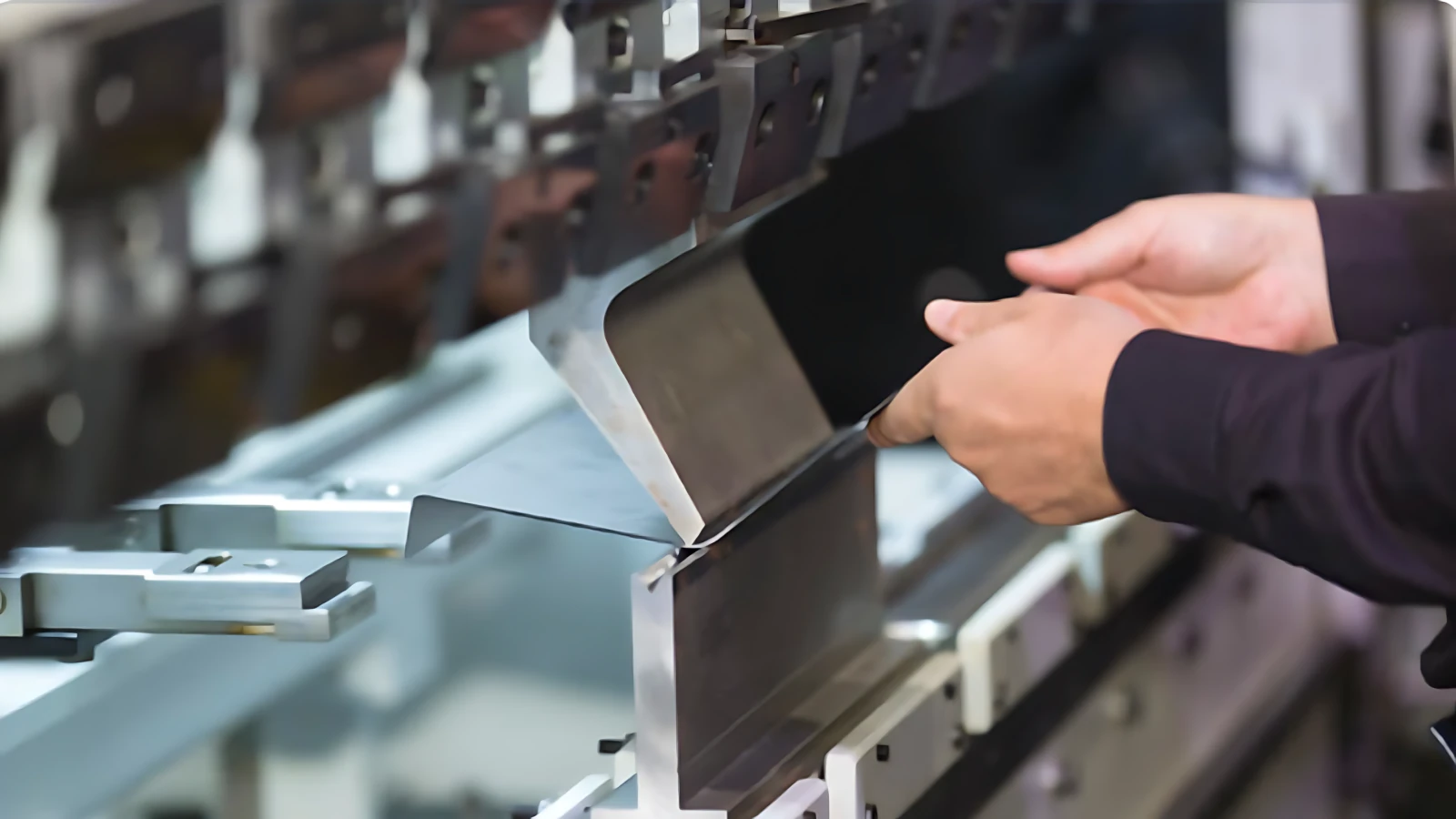
Metal bending involves placing a sheet of metal between a punch and a die on a press brake. Mechanical force is then applied to bend the material to the desired angle without cracking or fracturing it. At CESAR, our expert operators leverage state-of-the-art electric and hydraulic machinery to execute this process with high precision. Whether your project requires a single prototype or a large production run, our workflow—supported by instant online quoting and extensive post-processing services—ensures you receive high-quality, ready-to-use components tailored to your exact specifications.
materials
Metal Bending Materials
We offer a diverse selection of sheet metal materials, including aluminum, stainless steel, and brass. Each material is chosen for its unique properties, allowing us to recommend the optimal match for your project’s specific requirements and applications.
Metals
Aluminum
Brass
Copper
Steel
Stainless Steel
Aluminum
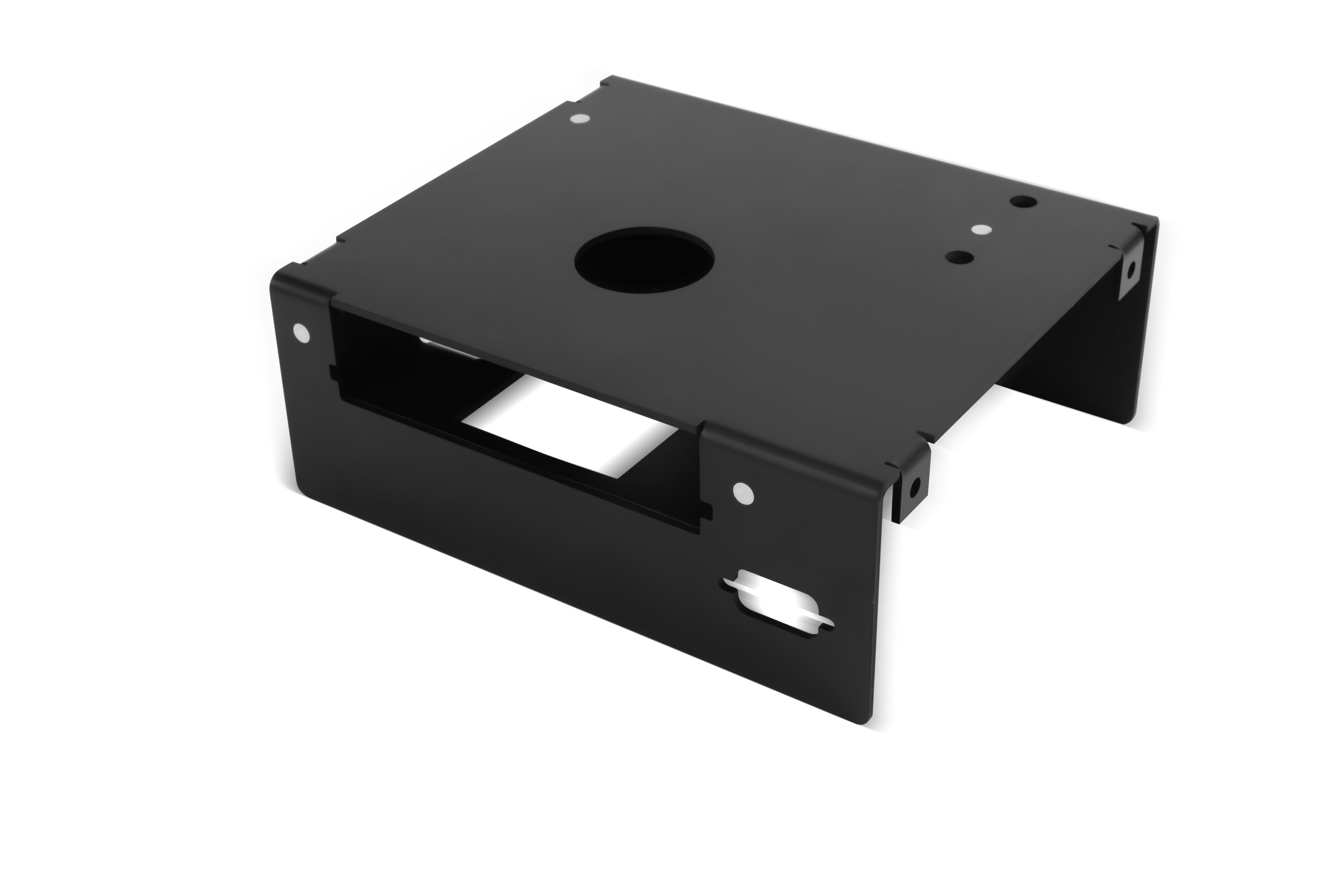
Lightweight and corrosion-resistant, aluminum is ideal for applications requiring high strength-to-weight ratios. Aluminum sheet metal bending is a common process for creating aerospace and automotive parts due to its excellent machinability
Alloys
Aluminum 5052
Aluminum 5083
Aluminum 6061 (It can be cut with laser cutter but not bender.)
Brass
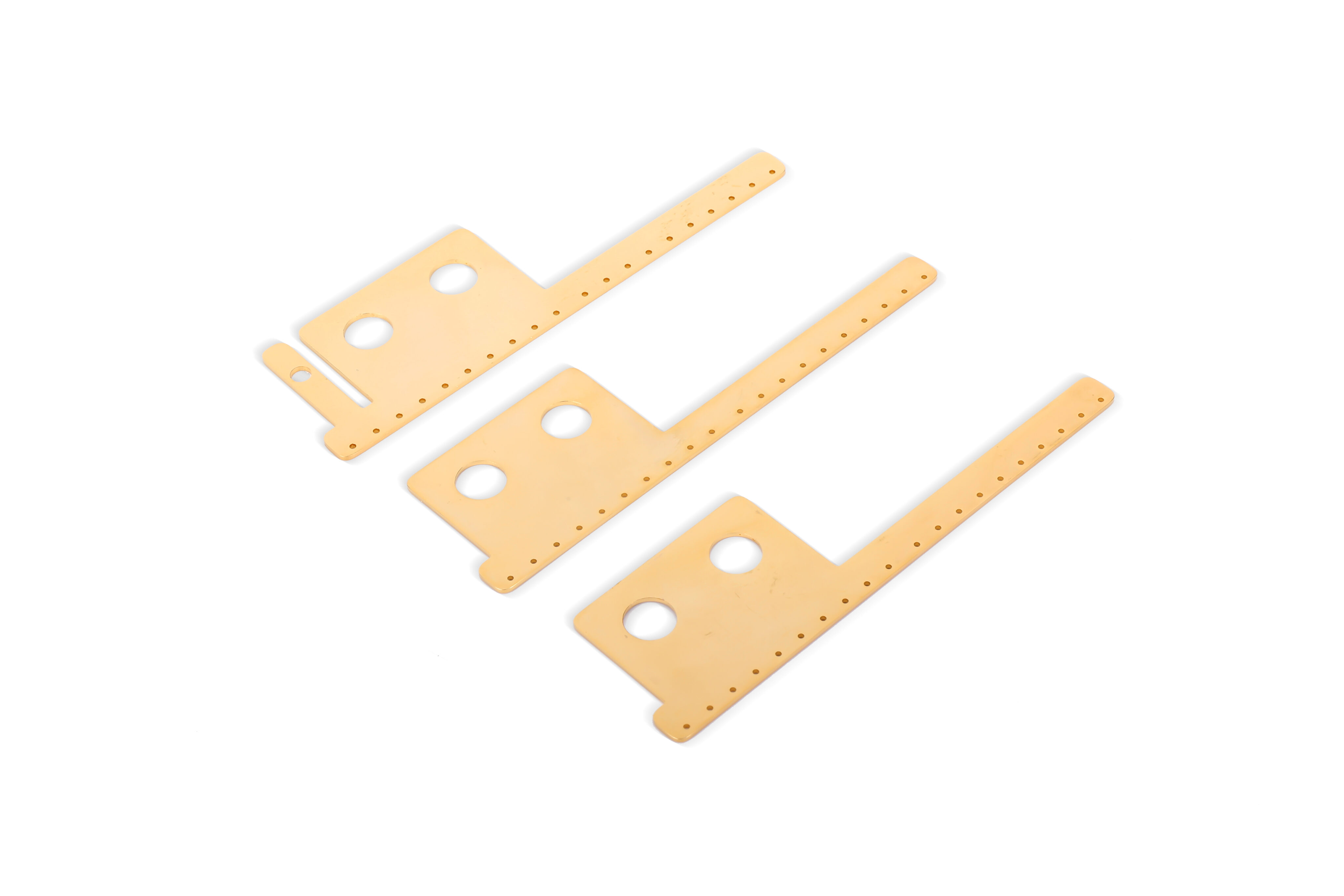
Known for its acoustic properties, brass is highly malleable and exhibits a gold-like appearance. It is often used in decorative applications, gears, and valves.
Alloys
Brass C27400
Brass C28000
Brass C36000
Note: Sheet metal process can not process more than 5MM thickness of brass.
Copper
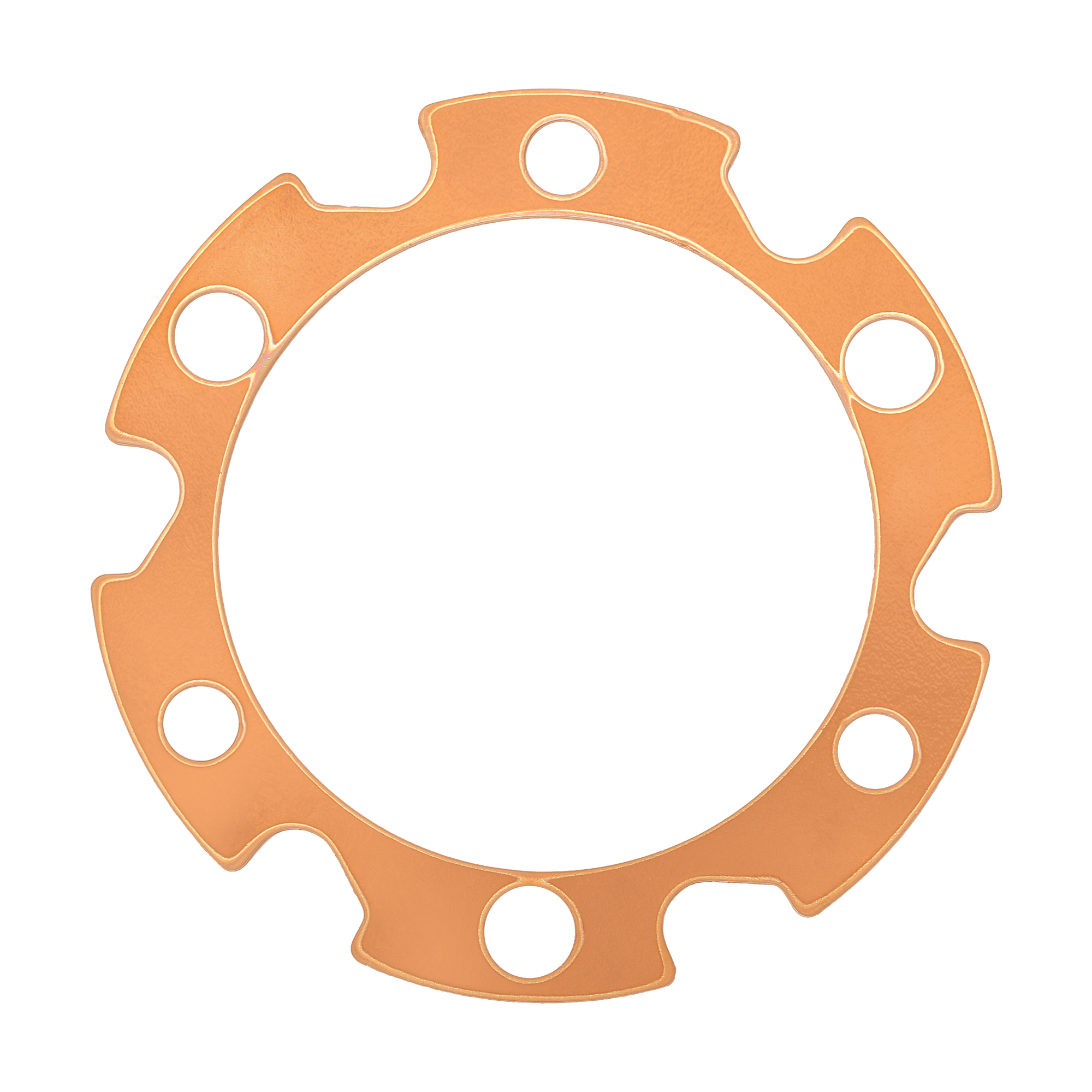
Copper stands out for its electrical and thermal conductivity. It’s highly ductile, making it a top choice for electrical components, roofing, and plumbing.
Alloys
Copper C101(T2)
Copper C103(T1)
Copper C103(TU2)
Copper C110(TU0)
Note: Sheet metal process can not process more than 5MM thickness of copper.
Steel
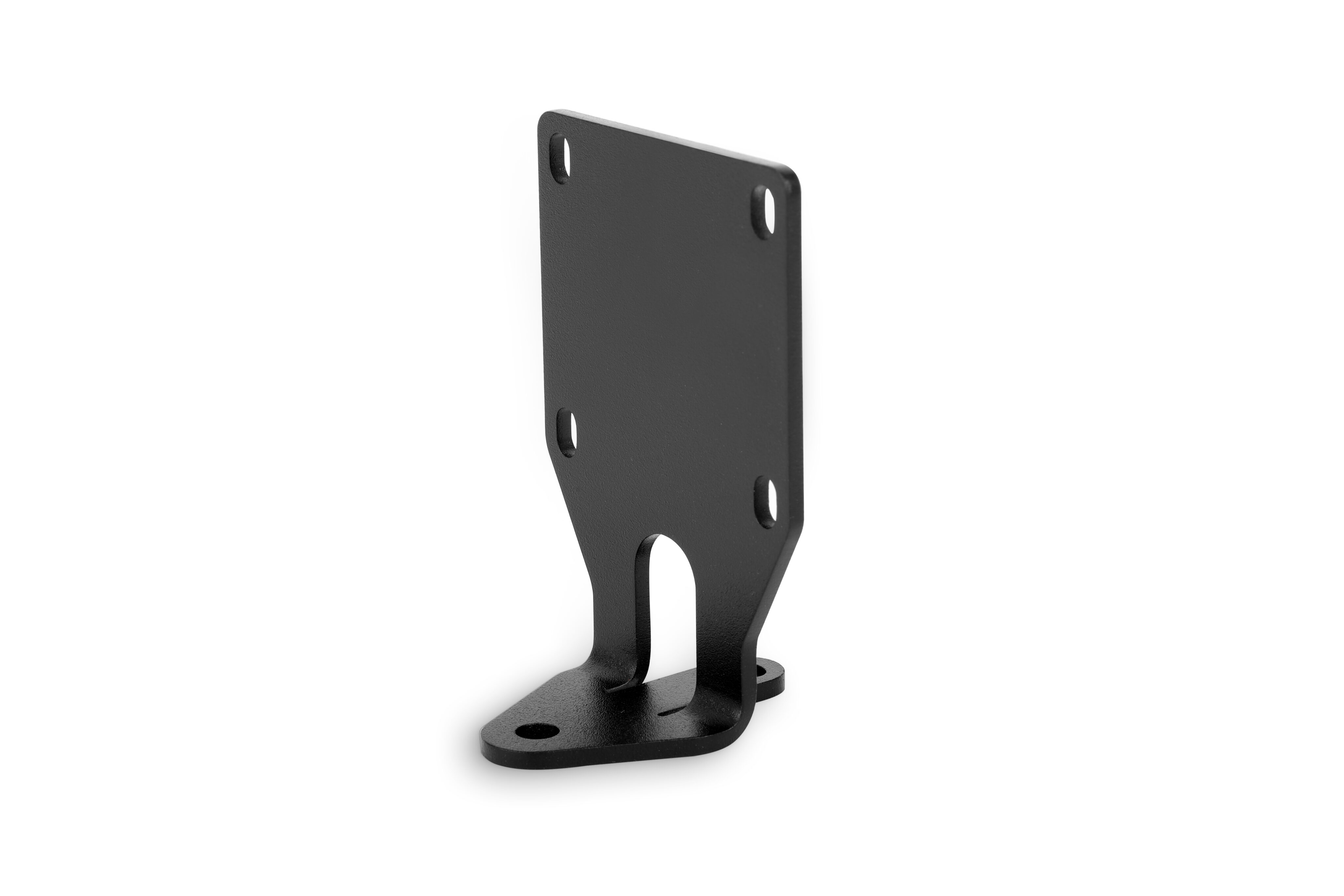
Extremely durable and strong, steel is a staple in construction and heavy industries. It can be alloyed with various elements to enhance its properties, such as hardness and resistance to corrosion.
Alloys
SPCC
Galvanized Steel (SGCC / SECC)
Q235
Steel 1020
Stainless Steel

Stainless steel is renowned for its corrosion resistance. It is strong, easily cleaned, and maintains an attractive finish, making it suitable for medical, food processing, and marine applications.
Alloys
Stainless Steel SUS 304
Metal Bending
Capabilities
| Description | |
|---|---|
| Maximum Part Size | 1.5 m x 1.5m |
| Metal Bending Forces | Up to 1000 tons |
| Bending Line Length | Up to 7200 mm |
| Bending Thickness | Up to 60 mm |
| General Tolerances | Our metal bending standards depend on ISO 2768. |
| Bend to edge/hole, single surface | +/- 0.254 mm (+/- 0.010 in.) |
| Bend Radius | Be equal to material thickness |
| Bend Angle | +/- 1° |
| Bend Cutting Area | Up to 4000 mm |
| Lead Time | 5 days or more |
Cesar Metal Bending Workshop
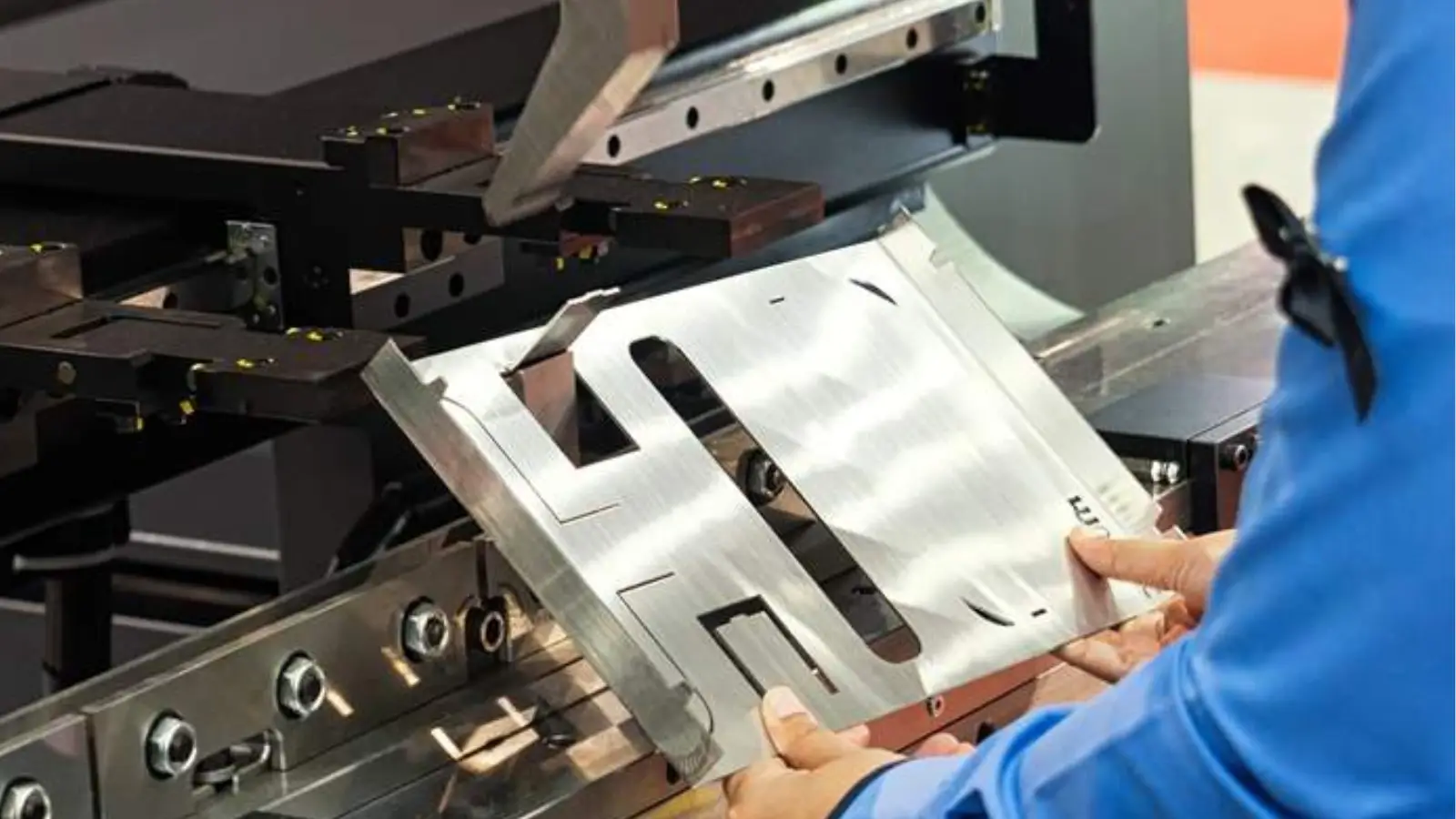
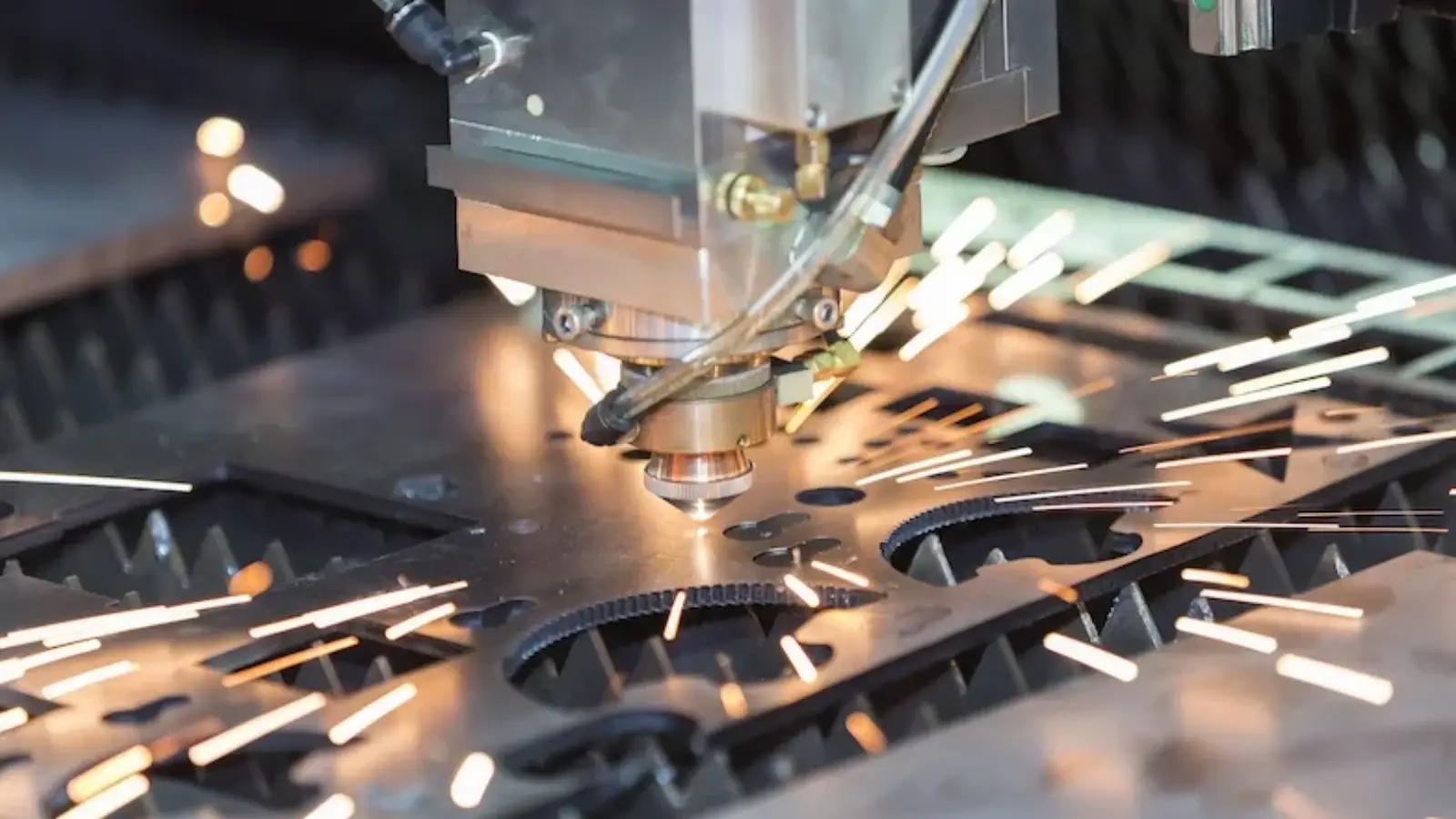
Metal bending transforms flat sheets into 3D shapes through precision force application, using advanced machinery to enforce bends at designated angles. Before bending, the flat sheet must be prepared using cutting methods like laser cutting, which ensures high precision. At Cesar, our process leverages high-tonnage equipment, capable of exerting up to 200 tons, to handle materials with a length of up to 3200mm. Each bend is executed with an exact mold ranging from R3 to R50, ensuring accuracy with a machining tolerance of ± 0.1mm. This precision sheet metal bending process is suitable for various applications, from machinery components to custom furniture. Additionally, our custom metal bending services enable us to offer tailored solutions with high precision and consistency.
To truly appreciate the sophistication of our operations, we invite you to watch a video tour of our facility.
700+
Sets of Machine
120+
Countries Shipped
20,000+
Customers Served
Advantages of Sheet Metal Bending
Sheet metal bending has become an indispensable manufacturing process across various industries due to its unique benefits:
- Cost Efficiency: By consolidating multiple parts into a single continuous component, bending minimizes the need for welding and assembly. This significantly reduces labor and material costs while accelerating overall project timelines.
- Enhanced Structural Strength: The bending process work-hardens the metal at the bend lines, increasing durability and load-bearing capacity. This allows for the creation of lighter, thinner structures without compromising structural integrity.
- Precision and Versatility: Advanced CNC bending technology ensures exceptional accuracy and repeatability, guaranteeing that every part meets exact specifications. Its ability to form various metals—including aluminum, steel, and copper—makes it suitable for diverse applications ranging from heavy industrial machinery to custom automotive components.
- Aesthetic Appeal: Bending creates clean, smooth lines and curves that enhance the visual quality of parts. This is particularly valuable for visible components like fixtures, enclosures, and furniture, where design is as critical as function.
- Rapid Production: The speed of CNC bending drastically shortens production cycles, enabling faster time-to-market. This agility is ideal for industries requiring quick responses to changing demands or tight deadlines.
Applications of Bent Metal Parts
Bent metal components transform flat sheets into durable, functional parts with a wide range of applications:
- Enclosures and Housings:Custom-bent enclosures provide robust protection and support for everything from sensitive electronics to heavy industrial equipment, balancing accessibility with aesthetic design.
- Brackets and Mounts:Precision bending produces sturdy brackets and mounting plates essential for securing components in both commercial and residential settings.
- Panels and Doors:From architectural cladding to functional doors and barriers, bent metal offers the customization needed to fit specific dimensions and design requirements.
- Frames and Beams: Structural frames and beams rely on the stiffness and strength imparted by bending, making them critical support elements in construction and automotive chassis.
- Complex Geometries:Advanced CNC capabilities allow for the creation of intricate shapes and complex geometries, meeting the demands of modern designs that require high precision and unique forms.
FAQs
- What is the Bending Process?
Metal bending is a fundamental fabrication method where force is applied via a press brake or similar machinery to deform metal into a desired shape. This process allows for precise straight-line forming, creating V-shapes, U-shapes, or channels in sheet metal. Techniques range from manual methods to advanced CNC (Computer Numerical Control) systems, which offer superior precision and repeatability. During the operation, a sheet of metal is positioned between a punch and a die set. The punch presses the metal into the die cavity, forcing it to bend and conform to the die's profile. Key parameters such as bend angle, radius, and tonnage are carefully adjusted to achieve the final geometry without significantly altering the material's thickness. Widely used for its efficiency in producing robust, functional components, this technique spans applications from small brackets to large architectural features. With advancements in CNC technology, even complex, high-tolerance bends are now easier to achieve, offering greater design flexibility and faster production cycles.
- What is the Typical Lead Time for Bent Sheet Metal Parts?
Lead times for producing bent sheet metal parts vary significantly based on part complexity, order volume, material type, and the manufacturer's current workload. Generally, simple bending operations using standard materials can be completed relatively quickly, often within a few days. For standard orders with straightforward specifications, providers like Cesar typically offer turnaround times of 3 to 5 business days. However, more complex components requiring multiple bends, specialty materials, or specific surface finishes may take longer. Projects necessitating custom tooling or extensive pre-production design work can extend lead times to several weeks. Additionally, the efficiency of CNC equipment and overall facility capacity play crucial roles in determining production speed. For projects requiring expedited delivery, many manufacturers offer rush services for an additional fee. Engaging with your service provider early in the design phase is key to ensuring timelines are met and potential delays are effectively managed.
- What are the Tolerances for Bent Parts?
Tolerances for bent components refer to the acceptable deviation from specified dimensions that may occur during the bending process. Maintaining these tolerances is critical to ensuring that parts fit correctly in their intended assemblies and function as designed. For standard sheet metal bending, tolerances typically range from ±0.1 mm to ±0.5 mm. However, specific tolerances can vary based on several factors, including the type of metal, sheet thickness, and the complexity of the part design. Thinner metals often exhibit greater variability due to their flexibility and higher sensitivity to springback—the tendency of metal to partially return to its original shape after bending. Advanced CNC press brakes achieve extremely tight tolerances by precisely controlling bend angles and positions. For critical applications requiring ultra-high precision, such as in the aerospace or medical device industries, tolerances can be as strict as ±0.01 mm to ±0.1 mm. At CESAR, we carefully select bending methods and tooling to match the specific tolerance requirements of your application, ensuring optimal performance and fit for your bent components.
- Are Die Marks Visible on Bent Metal Parts?
Die marks on bent metal parts are a common concern in manufacturing, as they can affect both the aesthetic appeal and structural integrity of the finished product. These marks are impressions or scratches left on the metal surface by the bending dies during the forming process. Whether these marks are visible depends on several factors, including the metal type, the condition of the bending tools, and the specific bending technique employed. Softer metals like aluminum are more prone to die marks because they are easily dented or scratched. However, these marks can be minimized by using well-maintained tooling and applying protective films during the bending process. Additionally, manufacturers often use polyurethane pads or rubber inserts as a buffer between the die and the metal, significantly reducing the likelihood of marking. For applications where aesthetics are paramount, post-processing steps such as sanding, polishing, or painting can be employed to eliminate any visible die marks. While die marks can be an issue, various strategies and techniques exist to manage and mitigate their appearance, ensuring your bent metal parts meet high-quality standards.
- What is the Maximum Thickness for Bendable Sheet Metal?
Yes, there are limits to the maximum thickness of sheet metal that can be bent, largely determined by the type of press brake used and the material's specific properties. Generally, the capacity to bend sheet metal depends on the machine's tonnage and the length of the bend. Higher-tonnage machines can handle thicker materials, but practical limits still exist based on the metal type and the required bend angle. For common materials like aluminum and mild steel, many standard press brakes can successfully bend sheets up to approximately 0.5 inches (12.7 mm) thick. However, for harder materials like stainless steel, the maximum thickness is typically reduced due to higher tensile strength, which requires significantly more force to deform. For these metals, the thickness limit is often around 0.375 inches (9.5 mm). It is also crucial to consider the bend radius; thicker metals require larger radii to prevent cracking or fracturing during the bending process. Manufacturers must carefully balance machine capabilities, material characteristics, and design requirements to determine the feasible maximum thickness for any given project.
- Is Bending Better Than Welding?
The choice between bending and welding depends on specific project requirements, including strength, aesthetics, speed, and cost. Bending is often preferred because it creates clean, continuous lines without seams or joints, enhancing both structural integrity and visual appeal. It is typically faster and more cost-effective than welding, as it eliminates the need for filler materials and reduces energy consumption associated with welding equipment. Conversely, welding is essential when shapes or dimensions exceed the capabilities of bending. It allows for joining dissimilar materials and constructing frameworks that cannot be formed solely through bending. Welding also provides the extreme strength required for demanding applications, such as heavy industrial machinery and structural engineering projects.
- Which Metal is the Most Resistant to Bending?
Among commonly used manufacturing metals, stainless steel typically exhibits the highest resistance to bending. This resistance is primarily due to its high tensile strength and hardness, making it much more difficult to deform compared to metals like aluminum or mild steel. The composition of stainless steel, rich in chromium and nickel, not only provides excellent corrosion resistance but also contributes to its increased stiffness and durability. Due to its high resistance to bending, stainless steel requires greater force to form, often necessitating the use of higher-tonnage press brakes. Furthermore, because of its toughness, proper tooling and techniques are essential to prevent damage to either the machine or the workpiece itself, such as cracking or embrittlement during the bend. This characteristic makes stainless steel an ideal choice for applications where structural integrity and durability are paramount, such as in medical devices, food processing equipment, and marine applications. However, the increased difficulty in bending also leads to higher manufacturing costs and more complex processing requirements.
- What are the Rules for Sheet Metal Bending?
A fundamental rule in sheet metal bending states that the minimum bend radius should generally be equal to the material's thickness. For instance, if the sheet thickness is 1 mm, the minimum allowable bend radius should also be 1 mm. Adhering to this guideline ensures that the metal bends correctly without cracking, thinning excessively, or compromising the structural integrity of the part. While specific materials may allow for tighter radii, following this rule is a safe standard for maintaining material quality.
- What are the Types of Sheet Metal Bending?
Common sheet metal bending methods include Air Bending, Bottoming, Coining, Roll Bending, and V-Bending. Air Bending involves pressing the metal into a die without the punch touching the bottom of the die, offering flexibility in bend angles with less tonnage. Bottoming presses the material firmly against the die walls to achieve higher precision and consistency in angles. Coining applies extreme pressure to compress the metal at the bend point, eliminating springback and creating highly accurate bends. Roll Bending is used to form curves or cylindrical shapes by passing the sheet through a series of rollers. V-Bending utilizes a V-shaped die and punch to efficiently create a wide range of angles. The choice of method depends on specific factors such as material properties, thickness, required precision, and production volume.
- Which Sheet Metal is the Easiest to Bend?
Aluminum is widely regarded as the easiest sheet metal to bend due to its inherent softness and high ductility. It requires significantly less force to deform compared to steel or stainless steel, making it ideal for various applications ranging from mass manufacturing to rapid prototyping. Furthermore, aluminum is less prone to cracking during the bending process, even at tighter radii, which enhances its workability. This combination of ease of use and versatility makes it a favorite choice for both professional manufacturers and DIY enthusiasts.
- Can I Request Custom Bend Angles for My Sheet Metal Parts?
Yes, you can absolutely request custom bend angles tailored to your specific project requirements. We offer highly flexible bending solutions capable of accommodating a wide range of angles and dimensions to meet your unique design needs. Our engineering team works closely with you throughout the process to ensure that the final product aligns perfectly with your exact specifications, whether you need standard angles or complex, non-standard geometries.
- How is the Quality of Bent Parts Guaranteed?
At CESAR, we guarantee the quality of our bent parts by leveraging advanced CNC bending technology, which ensures that every component produced is precise and consistent. Our rigorous quality assurance process includes multi-stage inspections where we meticulously verify dimensional accuracy, bend angles, and alignment. Furthermore, we adhere to strict industry standards and protocols, ensuring that each bent part is durable, reliable, and fully fit for its intended application. This commitment to precision and quality control allows us to deliver components that meet the highest performance expectations.
Try Cesar
now, for free
now, for free